Website performance issues continue to plague businesses across all industries, with recent research from Ahrefs showing that over 95% of sites contain fundamental SEO problems and receive zero traffic from search engines. These technical oversights often remain hidden from business owners and marketing teams until comprehensive analysis reveals the underlying causes of poor organic performance.
Professional SEO audit services identify recurring patterns of mistakes that consistently appear across sites of all sizes, from small local businesses to large enterprise organizations. Understanding these common pitfalls can help businesses recognize warning signs and take corrective action before their search rankings suffer irreversible damage.
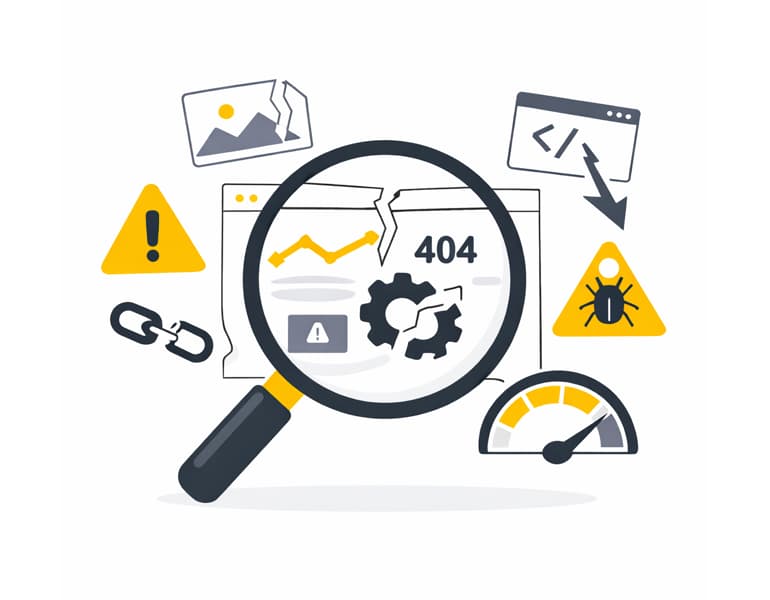
What is the Root of the Problem?
Modern search engines have evolved far beyond simple keyword matching. They now incorporate hundreds of ranking factors that evaluate everything from page loading speed to content quality and user experience signals. The complexity of these algorithms means that seemingly minor technical issues can have major consequences for organic traffic and revenue generation.
Many websites also suffer from technical debt accumulated through years of updates, patches, and feature additions implemented without thinking about implications. Development teams often prioritize functionality and visual design over technical SEO factors, while marketing teams focus on content creation without understanding the technical infrastructure that supports search visibility. This gap means critical issues frequently go unnoticed until comprehensive audits reveal the extent of accumulated problems.
Advanced SEO tools now provide deeper insights into website performance metrics, which allows digital marketers to identify problems that were previously impossible to detect without manual inspection. These automated analysis systems can process thousands of pages in minutes, which helps uncover technical debt that has accumulated over months or years of website development and content updates.
Core Technical Infrastructure Problems
1. Server Response Time Failures
When servers take longer than 200 milliseconds to respond to initial requests, search engines penalize websites in their ranking algorithms. Many site owners remain unaware that their hosting providers deliver suboptimal performance, especially during peak traffic periods when server resources become constrained.
Database optimization problems frequently contribute to extended response times, particularly on content management systems that rely heavily on database queries to generate dynamic pages. Poorly structured database tables, missing indexes, and inefficient queries can cause response delays that compound over time as content libraries grow larger.
2. SSL Certificate and Security Issues
Google has explicitly stated that HTTPS serves as a ranking signal, which means websites without proper SSL implementation face competitive disadvantages in search results. Beyond SEO implications, unsecured websites trigger browser warnings that cause potential customers to abandon visits before engaging with content.
Mixed content errors occur when secure HTTPS pages load resources like images, stylesheets, or scripts over insecure HTTP connections. These seemingly minor technical inconsistencies can prevent pages from loading properly and trigger security warnings that damage user trust and search engine confidence.
Expired or improperly configured SSL certificates can also create additional complications that extend beyond basic security concerns. Modern browsers block access to sites with certificate issues and even display prominent warnings that most users interpret as indicators of malicious or unprofessional websites. These certificate problems can also disrupt automated processes like API integrations and third-party service connections that rely on secure communications.
Content Structure and Optimization Failures
3. Duplicate Content Proliferation
Content management systems sometimes generate multiple URLs for identical content, which creates confusion for search engines trying to determine which version deserves ranking priority. These technical duplications can occur through URL parameters, session IDs, or pagination systems that create infinite page variations.
Canonical URL misinterpretation represents another common source of duplicate content problems discovered during technical audits. When canonical tags point to incorrect URLs or remain missing entirely, search engines struggle to consolidate ranking signals effectively, which dilutes the overall authority of affected pages.
4. Thin Content and Keyword Stuffing
Search algorithms now evaluate content quality based on semantic richness, topic authority, and user engagement metrics rather than simple keyword density calculations. Websites with thin content pages often experience declining rankings as competitors publish more thorough, valuable resources.
Keyword stuffing practices persist despite years of algorithm updates designed to penalize over-optimization. Many website owners continue cramming target keywords into content unnaturally, which creates poor user experiences and triggers spam detection systems that can result in ranking penalties or complete removal from search results.

Technical SEO Architecture Issues
5. URL Structure and Internal Linking Problems
Long, complex URLs containing unnecessary parameters, session identifiers, or cryptic character strings provide no semantic value and can actually harm ranking potential. Clean, descriptive URLs that reflect content hierarchy help search engines understand website organization while improving user experience.
Internal linking strategies often reveal significant missed opportunities during comprehensive audits. Many websites fail to establish proper link equity distribution and leave important pages isolated without sufficient internal link support. Strategic internal linking helps search engines discover content efficiently while guiding users toward valuable resources and conversion opportunities.
6. Mobile Responsiveness
Sites that fail to provide consistent functionality across device types risk significant ranking penalties, particularly since mobile searches now represent the majority of query volume. Touch-friendly navigation, readable text sizes, and properly sized clickable elements all contribute to mobile usability scores that directly impact search performance.
Content Management and Metadata Mistakes
7. Missing or Duplicate Meta Descriptions
While meta descriptions do not directly influence rankings, they significantly impact click-through rates from search results pages. Compelling, unique descriptions for each page help improve organic traffic by encouraging users to click specific results over competitor listings.
Title tag optimization issues frequently accompany meta description problems, which creates compound negative effects on search performance. Duplicate title tags, excessively long titles, or titles that fail to include target keywords all contribute to reduced search visibility and lower click-through rates.
Title tag optimization issues frequently accompany meta description problems, which creates compound negative effects on search performance. Duplicate title tags, excessively long titles, or titles that fail to include target keywords all contribute to reduced search visibility and lower click-through rates. Search engines may also choose to display auto-generated snippets instead of poorly crafted meta descriptions, which results in less control over how your content appears to potential visitors.
8. Inadequate Schema Markup Implementation
Schema markup helps search engines understand content context more effectively, which often manifests in enhanced search result displays through rich snippets, knowledge panels, or featured snippet opportunities. Websites without proper structured data implementation miss opportunities to stand out in crowded search results pages.
Review markup, business information, product details, and FAQ schemas represent some of the most valuable structured data types for improving search visibility. However, implementation requires technical expertise and ongoing maintenance.
User Experience and Engagement Factors
9. Poor Navigation and Site Architecture
Confusing navigation structures, broken breadcrumbs, and illogical page hierarchies make content discovery difficult for users and search engine crawlers. Sites with deep page depths or orphaned content often struggle to achieve consistent rankings across their entire library.
Search engines evaluate user behavior signals like bounce rate, time on site, and page depth as indicators of content quality and user satisfaction. Websites with architectural problems that frustrate users typically experience poor engagement metrics that negatively impact search rankings over time.
10. Broken Links
Broken internal and external links create poor user experiences while wasting valuable link equity that could otherwise support important pages. Regular link auditing and maintenance help preserve website authority while ensuring smooth user journeys.
In Conclusion
Modern SEO success requires ongoing monitoring and maintenance rather than one-time optimization efforts. Websites that lack regular technical audits often develop performance problems gradually, with small issues compounding into major ranking obstacles over time. Establishing systematic check-in processes helps identify and resolve problems before they impact search performance significantly.