1. Serpzilla – Guest Posting Marketplace with Maximum Control
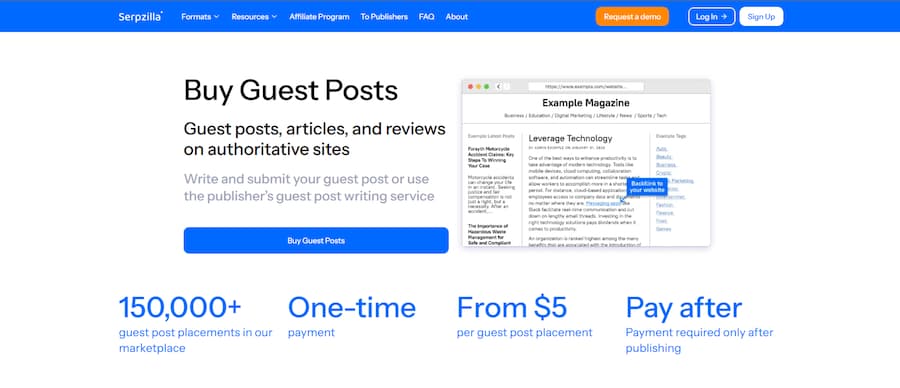
Serpzilla is a self-serve platform where you buy guest posts (and other placements) directly from a large publisher catalog. You pick sites, set anchors/URLs, and scale orders fast without waiting on an agency’s closed list.
Main capabilities
- Large inventory of sites: Serpzilla promotes 150,000+ media websites and multi-country coverage.
- Multiple link formats: guest posts, link insertions, and more from one dashboard.
- Filtering & niche targeting: filter by language, niche, and traffic thresholds.
- Flexible pricing & payment model: placements can start from ~$5, with pay-after-publishing
- Speed + optional guarantees: publishing time is advertised as 1–7 days, plus an optional indexation guarantee (paid add-on).
✅ Pros
- High transparency: you see the offer and basic parameters before you commit.
- Easy to scale: build a shortlist and place many orders quickly.Budget range: works for testing and for “money page” pushes (depending on filters you set).
❌ Cons
- Requires SEO judgment: you’re responsible for relevance/risk checks.
- Data isn’t the whole picture: you may still want to cross-check in Ahrefs/Semrush before buying at scale.
2. Loganix – Managed Outreach or “Shop the List” Guest Posts
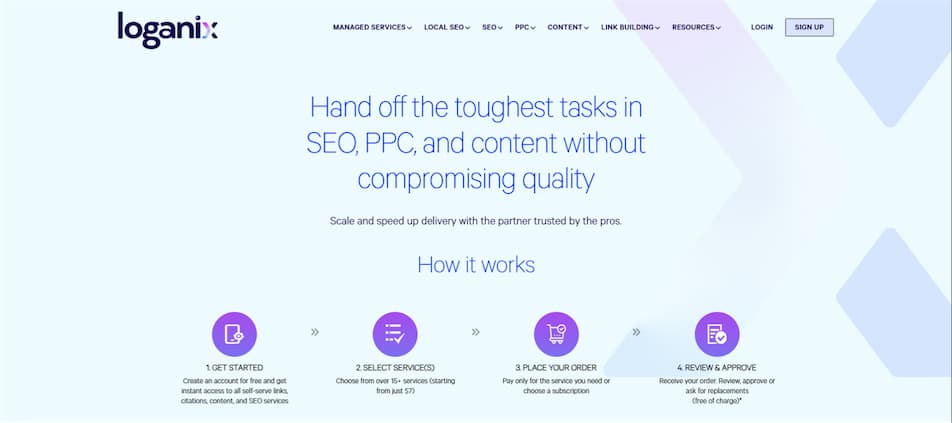
Loganix offers guest posting via two modes: you can let their team curate placements, or browse a database yourself and approve sites before they go live.
Main capabilities
- Two delivery models: expert-selected packages or a self-serve database.
- Publisher database: Loganix states 10,000+ pre-vetted sites for “shop the list” workflows.
- Placement guarantee + turnaround: they position a ~3-week turnaround and replacement if rejected.
- White-label reporting: deliverables include live URLs and report format for agencies.
✅ Pros
- More guidance than a marketplace: helpful if you want quality control but not full DIY.
- Approval flow: you can maintain control over final site selection.Agency-friendly reporting: easy to plug into client retainers.
❌ Cons
- Not instant: you’ll typically think in weeks, not days.
- Less “catalog freedom” than Serpzilla: it’s not built primarily as a massive open marketplace.
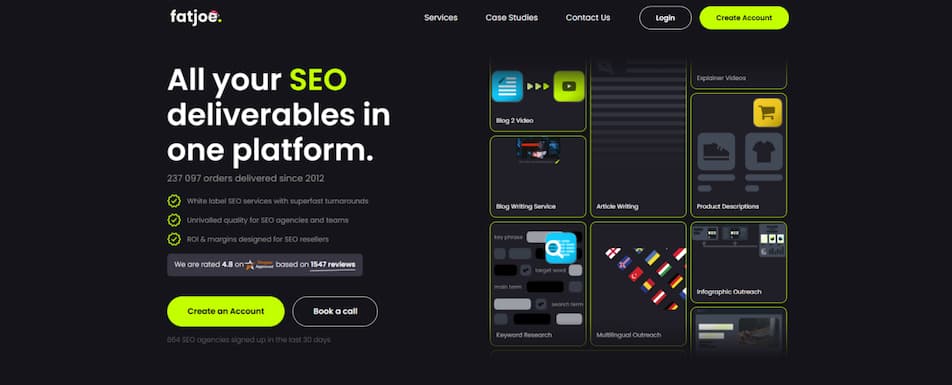
3. FATJOE – Editorial-Style Blogger Outreach at Scale
FATJOE positions its guest posting/builder outreach as editorial, in-content links integrated naturally in posts (not author boxes).
Main capabilities
- Editorial in-content placements: contextual links inside the article body.
- No author-box links: explicitly states links aren’t placed in author boxes.
- Outreach-based delivery: you’re paying for the service + process, not browsing a public inventory.
✅ Pros
- Operational simplicity: you delegate outreach + content production.
- Good for steady link velocity: fits recurring monthly execution.
❌ Cons
- Less direct control: you typically don’t pick exact domains from a huge catalog.
- Price can be higher vs marketplaces: you’re paying for managed outreach + writing.
4. Rhino Rank – Fully Managed Guest Posts (UK-Based Team)
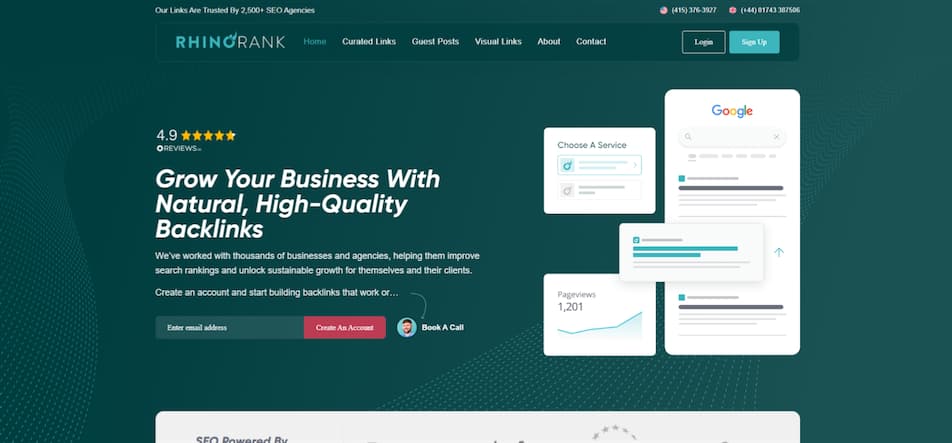
Rhino Rank sells a managed guest post service: they create content, run outreach, and place links on relevant sites, positioning the work as bespoke and vetted.
Main capabilities
- Fully managed process: content + outreach + placement handled for you.
- Relevance/authority checks: they emphasize relevance, authority, and “genuine outreach.”
- Social proof: Rhino Rank claims trust from 2,500+ SEOs.
✅ Pros
- Hands-off execution: good if you want output without building your own outreach ops.
- Bespoke targeting: you’re not limited to a static public “list.”
❌ Cons
- Less DIY control: you don’t browse a marketplace and cherry-pick every domain.
- Turnaround is campaign-based: managed outreach usually isn’t “same day.”
5. Stan Ventures – High-Volume Guest Posting with Domain Approval
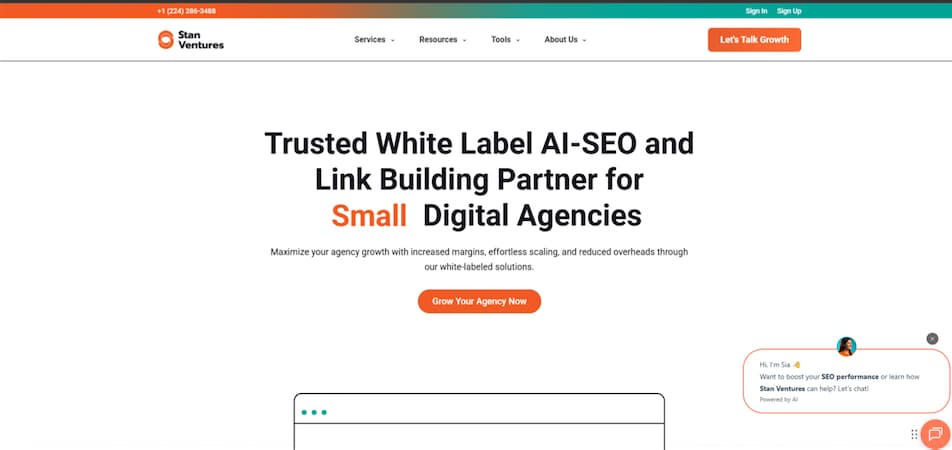
Stan Ventures markets guest posting as a transparent workflow where you can approve domains before placement, with a stated 21-day turnaround and “guaranteed placements.”
Main capabilities
- Domain approval: you can approve domains before the link goes live.
- Turnaround + guarantees: positions 21-day turnaround and guaranteed placements.
- Scale positioning: highlights volume and in-house outreach capacity.
✅ Pros
- Structured process + transparency: approval flow helps reduce “surprise placements.”
- Good for ongoing campaigns: built for repeatable monthly delivery.
❌ Cons
- Not a marketplace: you won’t get Serpzilla-like instant self-serve ordering across a massive open catalog.
- Quality still varies by niche: you’ll want clear quality gates (traffic, relevance, link profile) in your SOP.
6. LinksThatRank – Guest Posts with Strict Quality-Control Rules
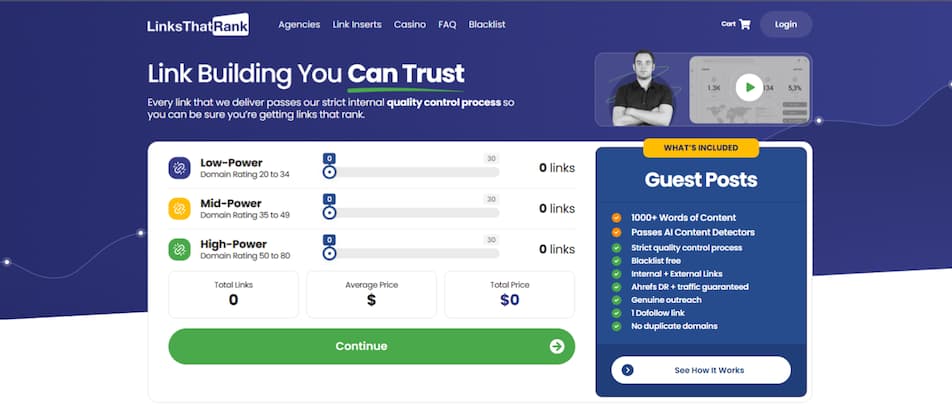
LinksThatRank differentiates with a stated 23-point quality control and additional risk-reduction rules (e.g., avoiding “write for us” pages), plus a 1-year link guarantee.
Main capabilities
- 23-point QC process: positioned as a core differentiator.
- Risk filters: claims they avoid sites with “write for us” pages and prevent duplicate domain overlaps.
- 1-year guarantee: replacement if links go offline or metrics drop below spec (per their FAQ).
✅ Pros
- Quality-first framing: good fit when you’d rather buy fewer, safer links.
- Guarantee reduces headaches: replacements for dropped links can matter in long campaigns.
❌ Cons
- Not built for rapid DIY scaling: more “managed service” than “place 50 orders in one session.”
- Premium positioning: QC + guarantees usually means higher price per placement.
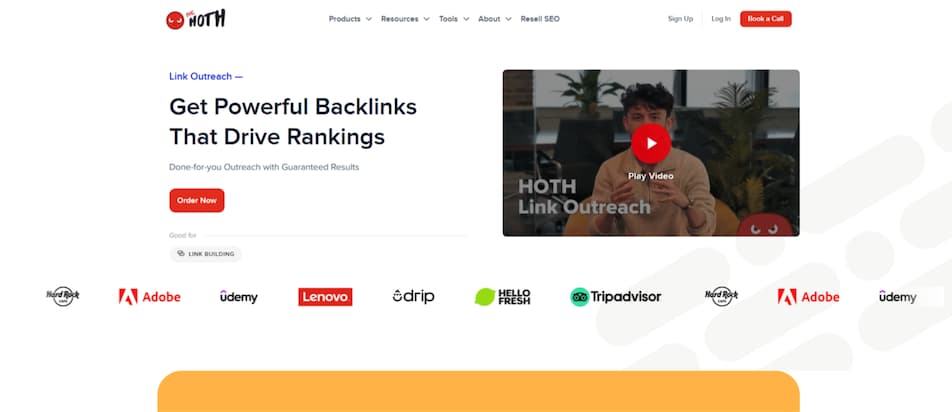
7. The HOTH – Contextual Link Insertions (Niche Edits)
If you want links placed into existing, already-published content (instead of new guest posts), The HOTH sells link insertions as a straightforward offering.
Main capabilities
- Links in existing posts: insertion into a published article/blog post.
- Simple buying motion: positioned as an easy add-on for link building.
✅ Pros
- Fast way to diversify link types: helpful if you’re balancing guest posts with niche edits.
- Good for supporting pages: can work well for secondary pages and content hubs.
❌ Cons
- Less control vs a marketplace: you’re not shopping an open catalog like Serpzilla.
- Insertion quality varies a lot: you need strong QA rules (topic fit, page quality, outbound link patterns).